For many trekkers, the perfect Himalayan adventure is about more than reaching a destination. It is about discovering remote landscapes, experiencing authentic mountain cultures, and embracing the challenges that make every step memorable.
While Nepal is home to several world-famous trekking routes, many experienced hikers now look beyond the busiest trails in search of a more peaceful and rewarding journey. That search often leads them to the Manaslu Circuit Trek.
Circling Mount Manaslu, the world's eighth-highest mountain at 8,163 meters (26,781 feet), this remarkable trek combines breathtaking scenery, cultural richness, and physical challenge.
The route passes through lush forests, deep river gorges, traditional mountain villages, high alpine landscapes, and one of the Himalayas' most spectacular mountain passes. Unlike some of Nepal's more crowded destinations, the Manaslu region still retains a strong sense of wilderness and authenticity.
A True Off-the-Beaten-Path Adventure
One of the biggest draws of the Manaslu Circuit Trek is its relatively uncrowded nature. While other famous Himalayan trails welcome thousands of trekkers during peak seasons, the Manaslu region stays quieter thanks to its restricted area status and permit requirements.
This lower footfall creates a completely different trekking experience. Instead of walking in long lines of hikers or competing for space in busy villages, trekkers enjoy peaceful trails where flowing rivers, rustling forests, and distant waterfalls replace the noise of crowds — making it easier to appreciate the landscape and the rhythm of mountain life without feeling rushed.
Spectacular Mountain Scenery Around Every Corner
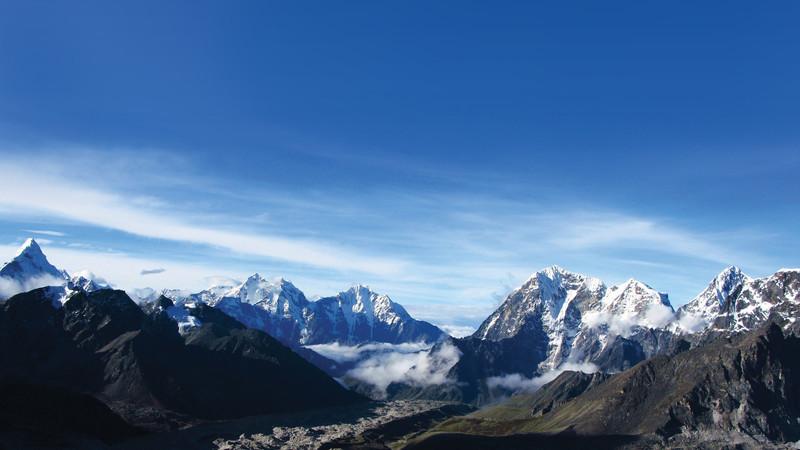
The scenery along the Manaslu Circuit Trek is one of its greatest attractions. Every stage of the journey introduces a different landscape, making each day feel fresh. The lower sections pass through lush green hills, terraced farmland, bamboo forests, and glacier-fed rivers. As the trek gains elevation, dense forests gradually give way to alpine meadows, rocky valleys, and snow-covered peaks.
Mount Manaslu provides a constant, impressive presence, with views also including Himalchuli, Ngadi Chuli, Ganesh Himal, and Shringi Himal. Rather than offering similar scenery throughout, the environment changes continuously, rewarding trekkers with fresh perspectives every day — a strength photographers especially appreciate, from early light on snow-covered summits to prayer flags against blue skies.
The Challenge of Crossing Larke Pass
Adventure seekers are often drawn to experiences that test both physical endurance and mental determination. Crossing Larke Pass, the highest point of the trek at 5,106 meters (16,752 feet), delivers exactly that kind of challenge.
Reaching the pass requires careful acclimatization, steady pacing, and determination. The climb usually begins before sunrise, so trekkers reach the summit before weather conditions change later in the day. As the trail climbs, the landscape grows more dramatic, with glaciers, rugged cliffs, and snow-covered mountains in every direction.
Standing at the top is a moment many trekkers remember for the rest of their lives, as prayer flags dance in the wind and panoramic views extend as far as the eye can see. The crossing is achievable for well-prepared trekkers who follow a proper itinerary with adequate acclimatization days — success comes from patience and respecting the altitude rather than rushing toward the finish.
A Journey Through Living Himalayan Culture
The Manaslu Circuit Trek offers far more than spectacular scenery. It also provides one of Nepal's richest cultural experiences, particularly in the higher sections of the trail, where Tibetan Buddhist traditions continue to shape everyday life.
As trekkers move north, they notice changes in architecture, clothing, language, food, and religious practices. Stone-built houses, carved mani walls, spinning prayer wheels, colorful chortens, and centuries-old monasteries become increasingly common.
Many villages have preserved customs passed down through generations, and trekkers have real opportunities to experience this culture through conversations with local families, overnight stays in teahouses, and monastery visits along the route. The warm hospitality of local communities — sharing tea, exchanging stories, learning about village life — often becomes one of the most memorable parts of the journey.
Incredible Diversity in Landscapes and Ecosystems
Few trekking routes showcase such dramatic environmental diversity within a single journey. The Manaslu Circuit begins in subtropical river valleys and gradually climbs into one of the world's highest alpine environments, passing through multiple climatic zones along the way.
In the lower elevations, trekkers walk beneath towering waterfalls, cross suspension bridges, and follow rivers through forests of bamboo, pine, and rhododendron, with langur monkeys and colorful Himalayan birds often spotted nearby.
As altitude increases, forests thin and the landscape turns to rugged alpine terrain with glacial rivers and rocky cliffs, eventually giving way to the sparse, high-altitude environment surrounding Larke Pass — a constant change that creates the feeling of traveling through several distinct regions within a single adventure.
Traditional Mountain Villages That Preserve Their Heritage
The villages along the Manaslu Circuit offer an authentic glimpse into Himalayan life. Many settlements have remained largely unchanged for generations, with stone houses, narrow footpaths, and agricultural terraces at the heart of each community. Higher into the mountains, Tibetan influence becomes increasingly visible, with prayer flags above rooftops and ancient monasteries overlooking villages.
Unlike destinations reshaped by rapid tourism development, many villages here still maintain their traditional character. Staying in locally operated teahouses lets trekkers experience genuine hospitality while supporting families whose livelihoods depend on sustainable tourism — encounters that, for many visitors, become just as memorable as the scenery itself.
Rich Wildlife and Protected Natural Beauty
The Manaslu region is famous not only for its mountains but also for its biodiversity. Much of the trek passes through the Manaslu Conservation Area, which protects a wide variety of plants, animals, and ecosystems.
Depending on the season, trekkers may spot Himalayan thar, musk deer, blue sheep, Himalayan monals, and eagles, and — though rare — the area is also home to elusive wildlife such as the snow leopard and red panda. Spring brings blooming rhododendron forests, while autumn offers crisp views and comfortable conditions, ensuring no two treks feel exactly the same.
A Journey That Builds Confidence
Completing the Manaslu Circuit Trek is about more than reaching the final destination — it challenges both body and mind. Long walking days, changing weather, high altitude, and demanding terrain require patience and determination, and every uphill climb, suspension bridge crossing, and mountain pass teaches lessons about perseverance and resilience.
Many trekkers discover strengths they didn't know they had. They learn to adapt to changing conditions, appreciate simple comforts, and find satisfaction in steady progress rather than speed. Reaching the end of the trek brings a genuine sense of accomplishment, because every achievement has been earned through effort — the kind of personal growth that draws many adventure seekers back to the mountains again and again.
An Adventure That Stays With You
Some treks are remembered for their scenery, others for the emotions they create. The Manaslu Circuit Trek offers both. Months or years later, many trekkers still recall early mornings watching sunlight hit snow-covered peaks, evenings spent talking with fellow travelers in cozy teahouses, and the quiet satisfaction of walking through landscapes few people have experienced.
These memories are often found in small moments: crossing a suspension bridge above a roaring river, sharing tea with a local family, or watching clouds slowly reveal towering Himalayan peaks. For adventure seekers, these experiences are often more valuable than simply checking another destination off a travel list.
Practical Tips for First-Time Manaslu Trekkers
Proper preparation matters. Build your fitness several weeks before departure through regular walking, hiking, or cardiovascular exercise, since strong legs and good endurance make the journey far more comfortable. Allow sufficient time for acclimatization and avoid rushing your itinerary — ascending gradually gives your body time to adjust and significantly reduces the risk of altitude sickness.
Pack lightweight but reliable equipment suitable for changing mountain weather: layered clothing, waterproof gear, sturdy trekking boots, sunglasses, gloves, and a warm sleeping bag. Because the Manaslu region is a restricted area, trekkers must obtain the required permits and travel with a licensed guide, so planning with an experienced trekking company helps ensure permits, transportation, accommodation, and logistics are arranged efficiently.
Finally, travel responsibly by respecting local customs, supporting community-owned teahouses, minimizing waste, and following Leave No Trace principles throughout the trek.
Conclusion
The Manaslu Circuit Trek has earned its reputation as one of the Himalayas' most rewarding adventures by offering a rare combination of spectacular scenery, authentic culture, physical challenge, and peaceful trails. Every stage introduces new landscapes, welcoming communities, and unforgettable mountain views that leave a lasting impression on those who complete it.
Unlike busier trekking routes, the Manaslu Circuit still provides a genuine sense of exploration. Its remote villages, diverse ecosystems, rich Buddhist heritage, and dramatic crossing of Larke Pass create an adventure that feels both challenging and deeply rewarding — not simply a trek through the mountains, but a journey that reminds adventure seekers why they fell in love with exploration in the first place.