Understanding Wood-Boring Insects
Wood-boring insects, particularly woodworms, pose significant threats to wooden structures and furnishings. These pests, which belong to various beetle species, can burrow through wood, causing extensive damage over time. Their presence often goes unnoticed until substantial damage has occurred, making awareness and early intervention crucial. When exploring options for effective treatments, SHASHEL® provides comprehensive insights into addressing these infestations efficiently.
What are Woodworms and Their Impact?
Woodworms are the larvae of beetles that primarily consume wood. The life cycle of these pests begins when adult beetles lay their eggs in or on wood. After hatching, the larvae burrow into the wood, feeding on it for several months, which can lead to structural weaknesses. The damage caused by woodworms is not only a matter of aesthetics; it can compromise the integrity of furniture and wooden structures, necessitating costly repairs.
Identifying Signs of Infestation
- Pinholes in wood surfaces
- Fine wood dust or frass around infested areas
- Visible larvae or adult beetles
- Weak or crumbling wood structures
Early detection is crucial in mitigating the damage caused by wood-boring insects. Regular inspections of wooden furniture and structures can help identify infestations before they escalate.
Common Myths About Wood-Boring Insects
There are several misconceptions surrounding woodworms that can lead to inadequate treatment approaches. For instance, one common myth is that woodworms only infest old wood. In reality, any damp or untreated wood can attract these pests, regardless of its age. Understanding these myths is essential for effective prevention and treatment strategies.
The Benefits of Using SHASHEL® Technology
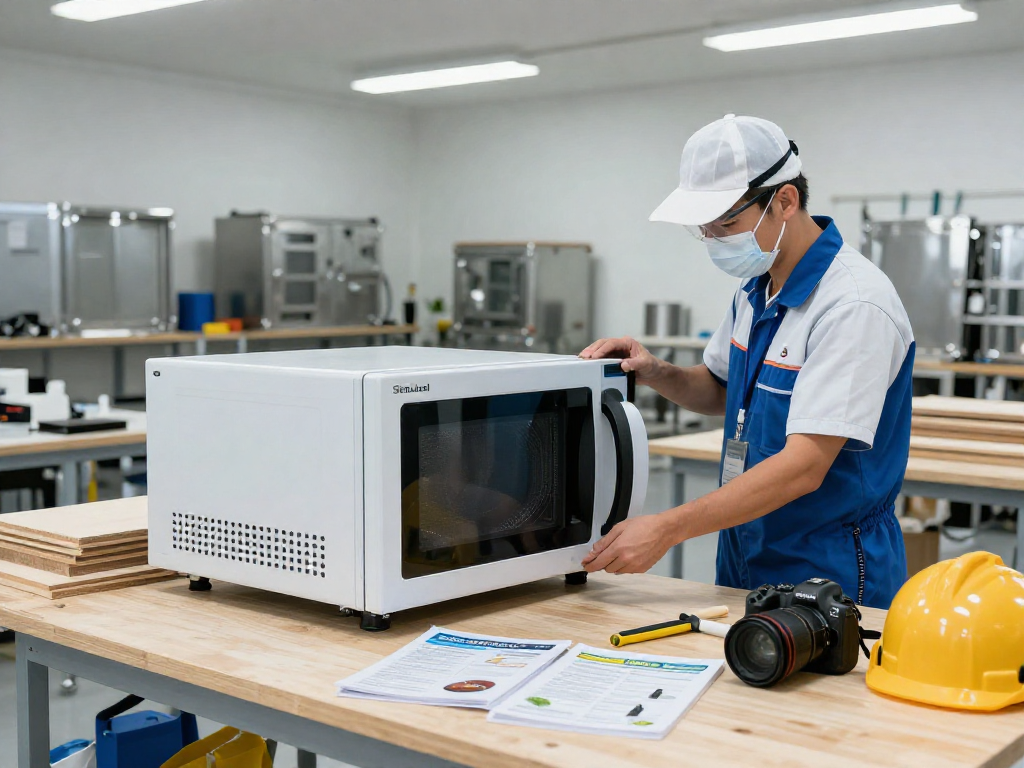
With the increasing need for environmentally friendly pest control solutions, SHASHEL® technology stands out as a leading alternative for treating wood-boring insect infestations. This innovative microwave technology eliminates pests without the use of harmful chemicals, offering a safe and efficient method for wood treatment.
Eco-Friendly Wood Treatment Solutions
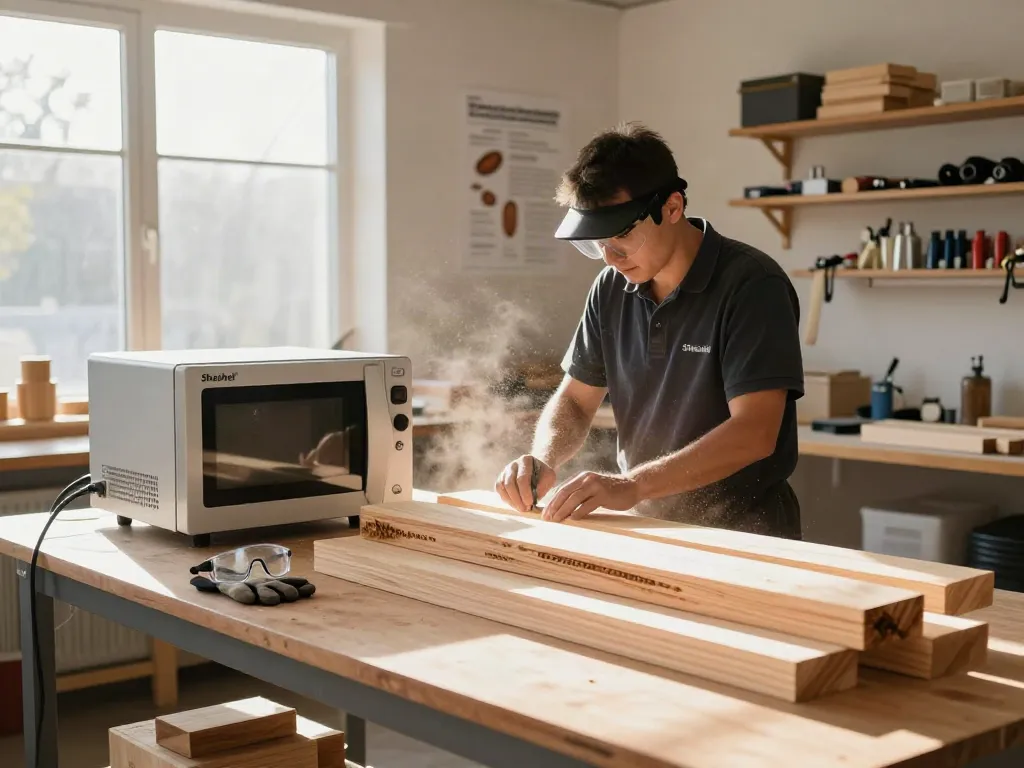
SHASHEL® microwave devices employ a method that involves exposing wood to specific microwave frequencies. This process generates heat that penetrates deep into the wood, effectively killing insects at all life stages, including eggs, larvae, and adult beetles. This eco-friendly approach not only protects your home but also contributes to sustainable pest management practices.
Speed and Efficiency of Microwave Treatment
One of the standout features of SHASHEL® technology is its speed. Traditional methods of wood treatment can take days or even weeks; however, microwave treatment can eliminate infestations in just a few minutes. This efficiency is particularly beneficial for businesses and homeowners who are looking to minimize downtime and restore normalcy without extensive delays.
Safety Considerations for Home and Workspace
Safety is a primary concern when dealing with pest control, especially in residential environments. SHASHEL® microwave devices are designed with safety features that prevent overheating and ensure the safe application of the treatment. Additionally, since this method does not involve toxic chemicals, it is safe for both children and pets, allowing for peace of mind during the treatment process.
How SHASHEL® Devices Work
Understanding how SHASHEL® devices operate is essential for appreciating their effectiveness in pest control. The technology is based on scientific principles that ensure optimal results while maintaining safety.
The Science Behind Microwave Treatment
Microwave treatment works by exciting the water molecules inside the wood. As the microwaves penetrate the material, they create vibrations that generate heat. This heat is sufficient to kill any wood-boring insects present, disrupting their cellular functions and preventing survival. The deep penetration of the microwaves ensures that even insects hidden deep within wooden structures are eradicated.
Step-by-Step Operation Guide
- Inspect the area for signs of wood-boring insects.
- Prepare the SHASHEL® device according to manufacturer specifications.
- Position the device over the infested wood section.
- Activate the microwave settings based on the wood type and infestation severity.
- Monitor the treatment progress, ensuring that all areas are adequately heated.
Following this guide will help in achieving desired results and ensuring thorough treatment of infested areas.
Maintenance and Care for Optimal Performance
To ensure the longevity and efficiency of SHASHEL® devices, regular maintenance is key. This includes cleaning the unit after use, checking for damaged components, and following the manufacturer's recommendations for storage and usage. Proper care will maximize the lifespan of the equipment and its effectiveness in treating wood-boring insect infestations.
Real-World Applications of SHASHEL®
SHASHEL® technology is versatile, making it applicable in various settings, from residential homes to commercial operations.
Case Studies of Successful Treatments
Numerous case studies illustrate the successful implementation of SHASHEL® devices across different environments. For example, a historic home underwent a complete infestation treatment using SHASHEL® technology, resulting in the preservation of its wooden structures without compromising the integrity of its historical features.
Applications in Different Industries
Various industries, including furniture manufacturing, construction, and heritage preservation, can benefit from SHASHEL® technology. In furniture manufacturing, it ensures that products are free from pests before being shipped to customers, while in construction, it protects wooden frames from infestations.
Testimonials from Satisfied Users
Satisfied customers have reported significant improvements in their pest management strategies after switching to SHASHEL® technology. Users appreciate not only the effectiveness of the treatment but also the speed and efficiency that it offers, which can significantly reduce downtime in both residential and commercial settings.
Future Trends in Wood Treatment Technology
As the demand for efficient and eco-friendly pest control solutions continues to rise, the future of wood treatment technology looks promising.
Innovations and Developments in 2026
Future innovations may include advancements in microwave technology, allowing for even deeper penetration and quicker treatments. The integration of artificial intelligence in monitoring infestations and predicting pest behavior can further enhance treatment strategies, making them more effective and tailored to individual needs.
Emerging Challenges and Solutions
With climate change leading to varied pest behaviors, emerging challenges may arise in pest management. However, solutions such as SHASHEL®'s ongoing research into pest resistance and adaptation strategies can help maintain effective treatment plans.
Predictions for Industry Growth and Technology Adoption
The wood treatment industry is projected to grow significantly as more people become aware of sustainable pest control methods. The adoption of SHASHEL® technology is expected to increase, offering eco-friendly and effective solutions for wood-boring insect treatment.
What is the longevity of SHASHEL® solutions?
SHASHEL® solutions are designed for durability. With proper maintenance and care, they can last for many years, providing ongoing protection against wood-boring insects. The technology’s reliability is a key factor for users in various industries.
How does SHASHEL® ensure safety in wood treatment?
The SHASHEL® technology prioritizes safety by utilizing non-toxic methods that do not expose users to harmful chemicals. Additionally, the devices are equipped with safety protocols to prevent overheating, ensuring a safe treatment environment.
Where can I purchase SHASHEL® equipment?
SHASHEL® equipment can be purchased directly from their official website or authorized retailers. It is essential to acquire the right equipment tailored to specific pest control needs.
How to recognize effective wood treatment products?
When evaluating wood treatment products, consider factors such as eco-friendliness, speed of action, and the technology used. Products that provide comprehensive details on their effectiveness and safety are also more reliable.
What are the best practices for wood maintenance?
Regular inspection, controlling humidity levels, and applying preventive treatments can significantly extend the life of wooden structures and furniture. By implementing these practices, one can minimize the risk of infestations and ensure long-lasting protection.