
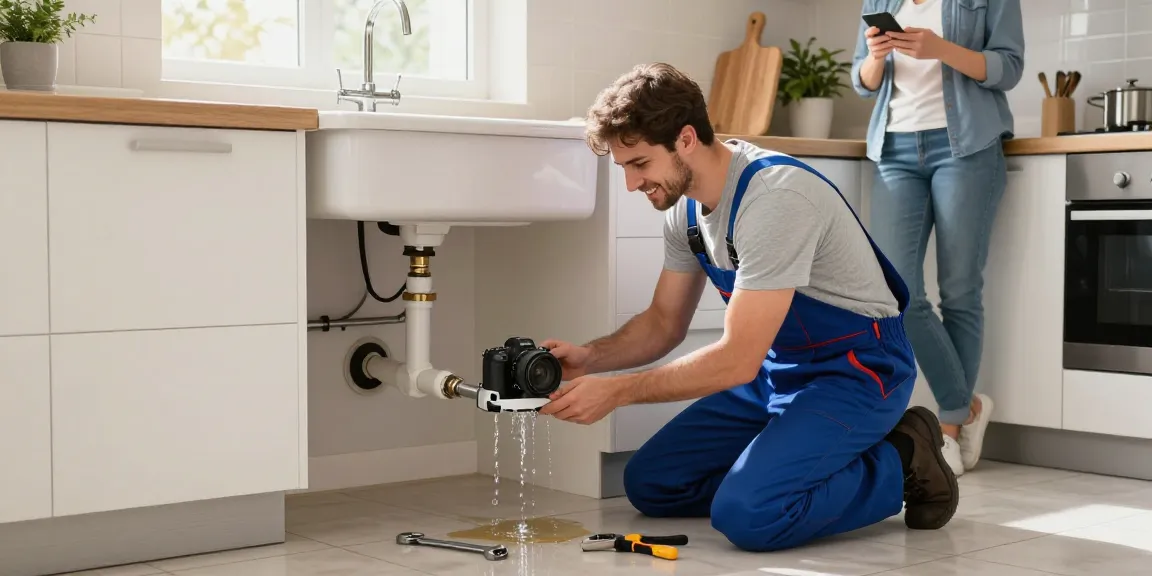
Understanding Plumbing Emergencies
In the world of home maintenance, few issues can create as much anxiety as plumbing emergencies. Whether it’s a burst pipe, a backed-up sewer, or an overflowing toilet, these situations require immediate attention to prevent further damage. Recognizing what constitutes a plumbing emergency is crucial for homeowners to manage their properties effectively. When exploring options, cuisines-a-flo.com provides comprehensive insights into how to handle these urgent situations.
What Constitutes a Plumbing Emergency?
A plumbing emergency is generally defined as a situation that poses a risk of property damage or threatens the safety of residents. This includes situations like:
- Significant water leaks or flooding
- Overflowing toilets
- Severe drain clogs that cannot be remedied with basic tools
- Gas leaks associated with plumbing systems
- Major pipe bursts
- Malfunctioning sump pumps during heavy rain
Common Types of Plumbing Issues
Several types of plumbing issues can qualify as emergencies. Common examples include:
- Leaking Pipes: Even a small leak can lead to extensive water damage and mold growth if not addressed promptly.
- Clogged Drains: Severe clogs that prevent water from draining and can cause backups into sinks or tubs.
- Overflowing Toilets: An overflowing toilet can quickly lead to water damage and health hazards.
- Water Heater Problems: Issues such as leaking tanks or malfunctioning heaters can disrupt hot water supply.
Why Timeliness is Crucial in Plumbing
The importance of swift action in plumbing emergencies cannot be overstated. Delaying repairs can worsen damage, leading to expensive repairs or hazardous living conditions. It’s essential to address issues as soon as they arise to prevent further complications. Quick intervention can also help limit water waste and protect the structural integrity of your home.
Preparing for an Unexpected Plumbing Problem
While it’s impossible to predict every plumbing emergency, homeowners can take steps to be better prepared. Having a plan and the right tools on hand can save time and money when urgent issues arise.
Essential Tools Every Homeowner Should Have
Equipping your home with basic plumbing tools is a proactive step toward managing potential emergencies. Some essential tools include:
- Plunger: A must-have for clearing minor clogs in toilets and drains.
- Pipe Wrench: Useful for tightening or loosening plumbing connections.
- Screwdriver Set: Needed for tightening loose screws on various fixtures.
- Drain Snake: Can help remove deeper clogs that plungers cannot reach.
- Bucket: A simple tool for catching leaks or water during repairs.
Creating a Plumbing Emergency Plan
Developing a plumbing emergency plan helps streamline the process when emergencies occur. Your plan should include:
- Emergency contact numbers for plumbers and emergency services
- A list of shut-off valves for water supply and gas
- Clear instructions on how to turn off appliance valves
- Designated areas for tools and emergency supplies
How to Identify When to Call a Plumber
Not every plumbing problem requires a professional. However, knowing when to call in an expert is crucial. Indicators that you should call a plumber include:
- Persistent leaks that do not resolve with basic DIY efforts
- Unpleasant odors indicating sewer line issues
- Gurgling sounds from drains or toilets
- Reduced water pressure throughout the home
Choosing the Right Plumbing Service
Selecting a trusted plumbing service can make all the difference in resolving your plumbing issues efficiently. Understanding the factors to consider will help you make an informed decision.
What to Look for in a Qualified Plumber?
When searching for a reliable plumber, consider the following qualifications:
- Licensing and Insurance: Ensure the plumber is licensed to operate in your area and carries adequate insurance.
- Experience: Look for plumbers with a proven track record and extensive experience in various plumbing services.
- Online Reviews: Check customer reviews and ratings online to assess their reputation.
Questions to Ask Before Hiring
Before hiring a plumber, you should ask questions such as:
- What is your hourly rate and fee structure?
- Do you provide warranties for your services?
- Can you provide references from previous clients?
- What is your response time for emergencies?
How to Compare Local Plumbers Efficiently
To choose the best plumber in your area, compile a list of potential candidates and compare them against your criteria. Key aspects to evaluate include:
- Pricing structures and any additional fees
- Service offerings and areas of specialization
- Availability for emergency services
- Customer service approach and communication skills
Preventive Measures for Future Plumbing Issues
Taking preventive measures can minimize the risk of future plumbing emergencies. Regular maintenance and informed decisions can save you time and money in the long run.
Regular Maintenance Tips for Home Plumbing
Implementing a regular maintenance schedule can help you identify potential issues before they escalate. Some tips include:
- Inspecting pipes and fixtures for leaks regularly
- Flushing your water heater annually to remove sediment build-up
- Cleaning drains with baking soda and vinegar to prevent clogs
- Monitoring water pressure levels and adjusting as necessary
Investing in the Right Plumbing Equipment
Investing in high-quality plumbing fixtures and appliances can greatly reduce the risk of emergencies. Consider:
- Upgrading to water-efficient fixtures to lower the likelihood of leaks and conserve water.
- Installing water alarms to alert you to leaks early.
- Choosing durable materials for plumbing lines, such as copper or PEX.
Signs that Indicate Water Damage Risks
Being aware of the signs of potential water damage can prevent major issues. Watch for:
- Water stains on ceilings or walls
- Mold growth in damp areas
- Unexplained increases in water bills
- Soft or spongy flooring
The Future of Plumbing Services in 2026
The plumbing industry is evolving, with advancements in technology and customer service shaping the future landscape. Understanding these trends can help homeowners make informed choices.
Emerging Technologies in Plumbing Solutions
Technological advancements are paving the way for more efficient and reliable plumbing solutions. Examples include:
- Smart Plumbing Devices: From leak detection systems that alert homeowners to smart water shut-off valves that can be controlled via smartphone apps.
- 3D Printing: Used for creating custom plumbing parts on-demand, reducing wait times.
- Video Inspection Technologies: Allowing plumbers to diagnose issues internally without invasive procedures.
Trends in Eco-Friendly Plumbing Practices
As environmental concerns continue to grow, eco-friendly plumbing practices are becoming increasingly popular. Homeowners can benefit from:
- Using low-flow fixtures to conserve water
- Installing rainwater harvesting systems
- Employing greywater recycling systems for irrigation
The Role of Customer Service in Plumbing
Customer service is becoming a critical differentiator among plumbing services. Plumbers that focus on:
- Clear communication throughout the service process
- Providing detailed estimates and transparent pricing
- Ensuring follow-up care and support
will likely have a competitive edge in the market.
What should I do first in a plumbing emergency?
In a plumbing emergency, the first step is to shut off the main water supply to prevent further damage. Assess the situation and then contact a qualified plumber to handle the repairs.
How can I prevent plumbing emergencies?
Regular maintenance, proper use of plumbing fixtures, and timely repairs of minor issues can significantly reduce the risk of plumbing emergencies.
What are common signs of plumbing issues?
Common signs of plumbing problems include slow drains, strange noises from pipes, increased water bills, and visible water stains on walls or ceilings.
When should I replace my plumbing system?
Consider replacing your plumbing system if it is over 50 years old, exhibits frequent issues, or uses materials that are no longer safe, such as lead or galvanized steel.
How do I choose a reliable plumber for emergencies?
Research local plumbers by checking reviews, verifying qualifications, and ensuring they offer emergency services. Recommendations from friends and family can also be invaluable.

